CHILDREN and HR
Children's rights
The world is at a turning point in realising the noble vision of the UN Convention on the Rights of the Child.
In September 2015, Member States of the United Nations came together to agree on the new sustainable development agenda. With the adoption of the 2030 Agenda, the world has an opportunity to ensure that children remain at the centre of global strategic efforts.
The Sustainable Development Goals represent the roadmap for public policies and their implementation implies a commitment to a social and political model that can put children at the centre. There are five SDGs that can be considered the most relevant for children: Poverty, Health, Education, Employment and Economic Growth (Inequality).
Poverty: Two and a half million children live at risk of poverty and/or social exclusion in the world. The SDGs are an opportunity for children and a commitment to end poverty in all its forms and dimensions by 2030.
FOUNDATION FOR JUSTICE AND WOMEN'S SUPPORT
Health: Ensuring a healthy living and promoting wellbeing at all ages is essential for sustainable development.
Education: Nearly 260 million children were out of school in the world in 2018This represents one-fifth of the world's population in this age group. The SDG 4 argues that the education is the factor that enables upward socio-economic mobility and it is key to escaping poverty.
Employment: The SDG 8 includes, among other objectives, the adoption of effective measures to eradicate forced labourto put an end to contemporary forms of slavery and trafficking in persons, and to ensure the prohibition and elimination of all forms of slavery and trafficking in persons, as well as to ensure the prohibition and elimination of all forms of slavery. elimination of the worst forms of child labourincluding the recruitment and use of child soldiers and to achieve an end to child labour in all its forms.
Economic Growth (Inequality): The inequality generated by widespread economic growth patterns worldwide begins even before birth and may increase, amplified by differences in health and education. The policies to tackle inequality must start at the beginningThe aim of this report is to provide a comprehensive overview of the impact of the current economic crisis on children's learning, health and nutrition, through policy measures to invest in children's learning, health and nutrition.
PROJECTS
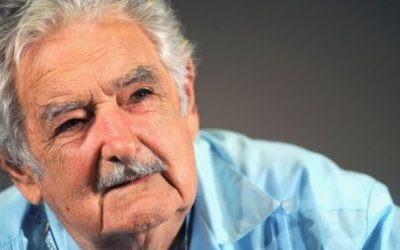
FxJ and the CVCA will present Mujica with the 2019 Human Rights Award on February 5 at the ICAV
Next Wednesday, February 5, the Foundation for Justice (FxJ) and the Valencian Council of Bar Associations (CVCA) will present the 2019 Human Rights Award, which this year has gone to the former president of the Republic of Uruguay, José Alberto Mujica. .
FxJ SELECTS SAMUEL SEBASTIAN AS DIRECTOR OF THE FILM AND HUMAN RIGHTS FESTIVAL
Valencia, July 29. Once the selection process for hiring the director of the Valencia International Film and Human Rights Festival – HUMANS FEST was concluded, the Evaluation Commission met last Friday, July 26, and decided to offer the...

Observatory against corruption
Leader Ana María Fuertes Description One of the civil society institutions that detected the need to reflect and act on the issue of corruption was the Fundación por la Justicia who, at a meeting of its Board of Trustees in November 2014, approved it. ..
CALL FOR HUMAN RIGHTS AWARD 2019
The Foundation for Justice and the Valencian Council of Bar Associations have joined forces to announce the 2019 CVCA and FxJ Human Rights Award, which aims to recognize a history of defending Human Rights and defending Justice as a value,...
CALL FOR INFORMATION SESSION
CALL FOR AN INFORMATION SESSION ON THE HIRING OF THE DIRECTOR OF THE HUMANS FEST In reference to the hiring of the position of director of the Valencia International Film and Human Rights Festival - Humans Fest, next July 10, 2019, at ...
OPEN GOVERNMENT Project
Leader Ana María Fuertes Description Fundación por la Justicia is developing for the Provincial Council of Valencia and under the coordination of the General Director of the Foundation, Ana María Fuertes, a methodology for evaluating and monitoring the state of the GOVERN OBERT...